
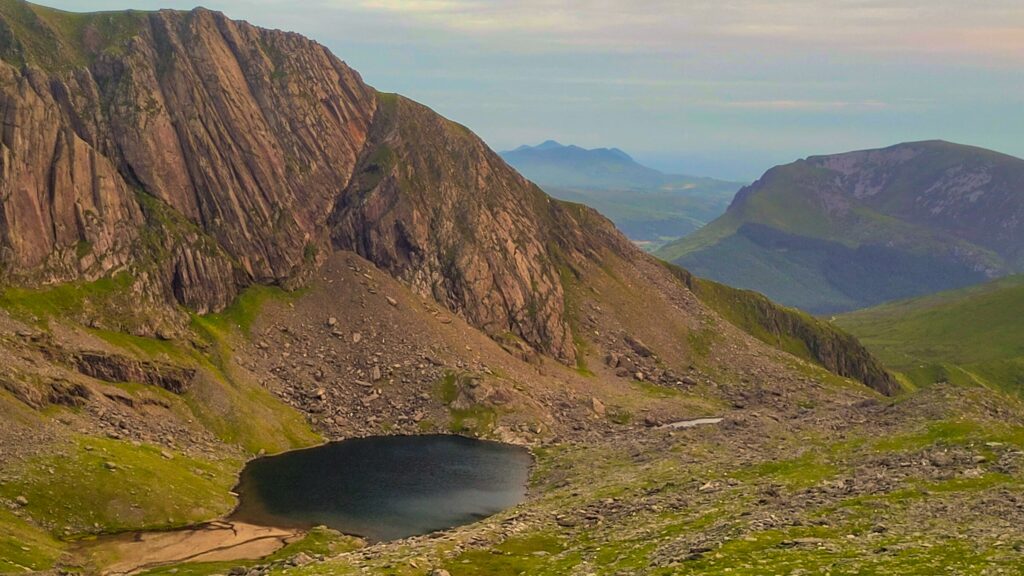
How coldSTONE works.
Learning shaped by terrain and judgement.
Our Approach
At coldSTONE Mountain Works, we design journeys rather than isolated experiences.
Learning happens on the move — shaped by terrain, conditions and the decisions required on the day. Whether guided, instructional or independent in character, each journey is structured deliberately, with space for adaptation as the landscape dictates.
We work in real environments, in real conditions, where judgement matters as much as technical ability.
Learning in context
Progress isn’t measured in certificates. It’s measured in confidence, awareness and the ability to make sound decisions when things are uncertain.
But learning in the mountains isn’t limited to movement alone. Landscapes carry history, geology, weather systems and cultural traces that shape how they are travelled. Paying attention to these details deepens the experience and broadens understanding.
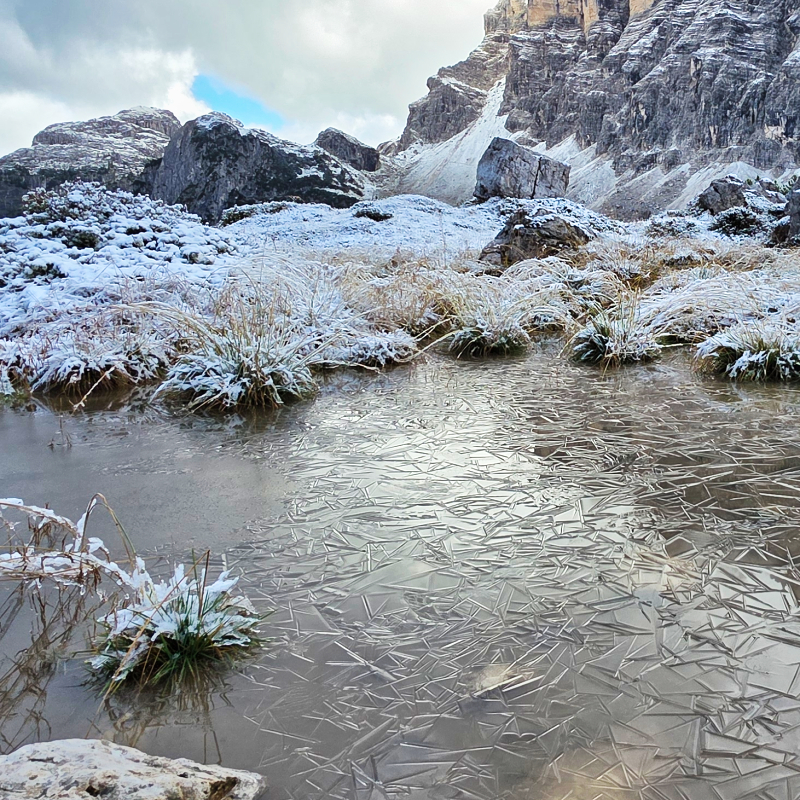
Some days are about covering ground. Others are about slowing down — reading the rock, noticing how weather moves across a ridge, understanding why a line exists where it does. Both are essential.
Journeys are not only physical undertakings. They are opportunities to see more clearly — of the landscape, and of ourselves within it.
Landscapes & Terrain
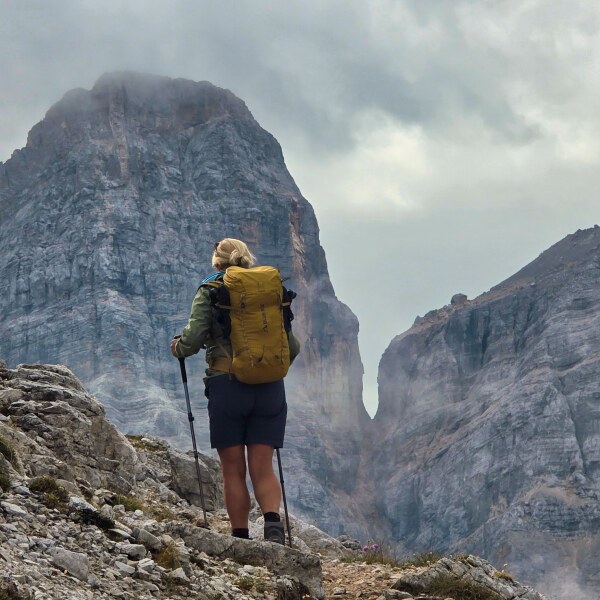
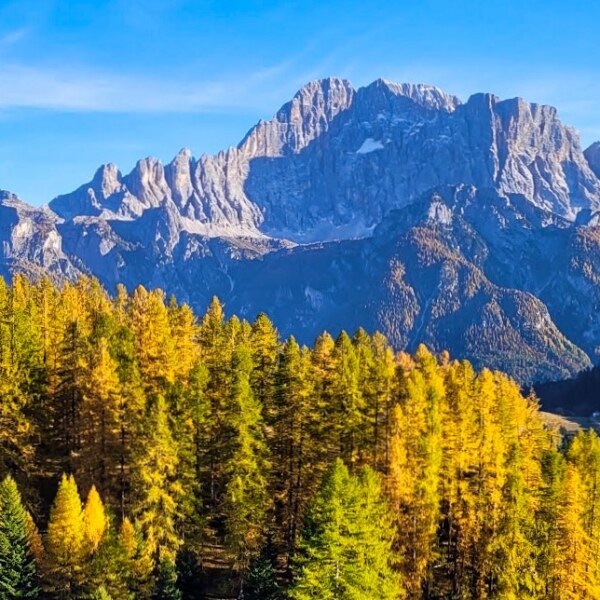
Our journeys take place across the UK’s mountains, crags and coastal cliffs — and into more complex alpine terrain further afield.
The environments change, but the approach remains consistent: move deliberately, read the landscape and adapt to conditions.
Where appropriate, accommodation, transport and route logistics are organised in advance so that attention can remain on the terrain itself.

The Journeys
coldSTONE journeys sit on a spectrum.
Some are foundational — focused on building movement, judgement and confidence in defined terrain.
Others are more expeditionary — longer, more committing journeys where those same qualities are applied under fatigue, exposure and changing conditions.
Independent journeys follow the same principles, but place responsibility for day-to-day decisions with the participants, supported by careful pre-planning and documentation.
The distinction is not rigid. What matters is designing days that meet you where you are and allow experience to shape progress.
What This Means in Practice
Journeys are carefully designed and professionally organised, but remain responsive to weather, terrain and group dynamics.
Expect small groups, deliberate pacing and an emphasis on depth of experience over speed of completion.