
West Highland Way — Mentored Expedition
Multi-day Instructional mentored walking journey through the West Highlands of Scotland.
Expedition Snapshot
Format: Instructional Mentored Thru-hike
Duration: 8 days
Group size: 2–6
Terrain: Highland paths, glens, lochside trails, moorland, mountain passes
Accommodation: Campsites, discreet wild camps where appropriate
Season: May–September
Overview
The West Highland Way is Scotland’s most famous long-distance journey, stretching from the edge of Glasgow to the foot of Ben Nevis through some of the most dramatic landscapes in the Highlands. The route crosses the ancient fault line that divides Scotland’s lowlands from the high mountains of the west, gradually leaving farmland behind for open moor, vast glens, and remote Highland passes.
This mentored expedition follows the full length of the route from Milngavie to Fort William. Rather than simply walking the trail, the journey is structured to help participants understand how multi-day walking expeditions actually work in practice.
We travel as long-distance walkers do: carrying what we need for the journey, camping where appropriate, and making use of inns, cafés and small shops along the route. Alongside the daily progress through the landscape we explore the practical skills and judgement that underpin successful long-distance travel — navigation, equipment selection, food planning, pacing and managing the daily rhythm of a sustained journey.
By the end of the week you will not only have completed one of Britain’s classic long-distance routes, but will understand how journeys like this come together.
The Journey
The Lowlands – Milngavie to Drymen
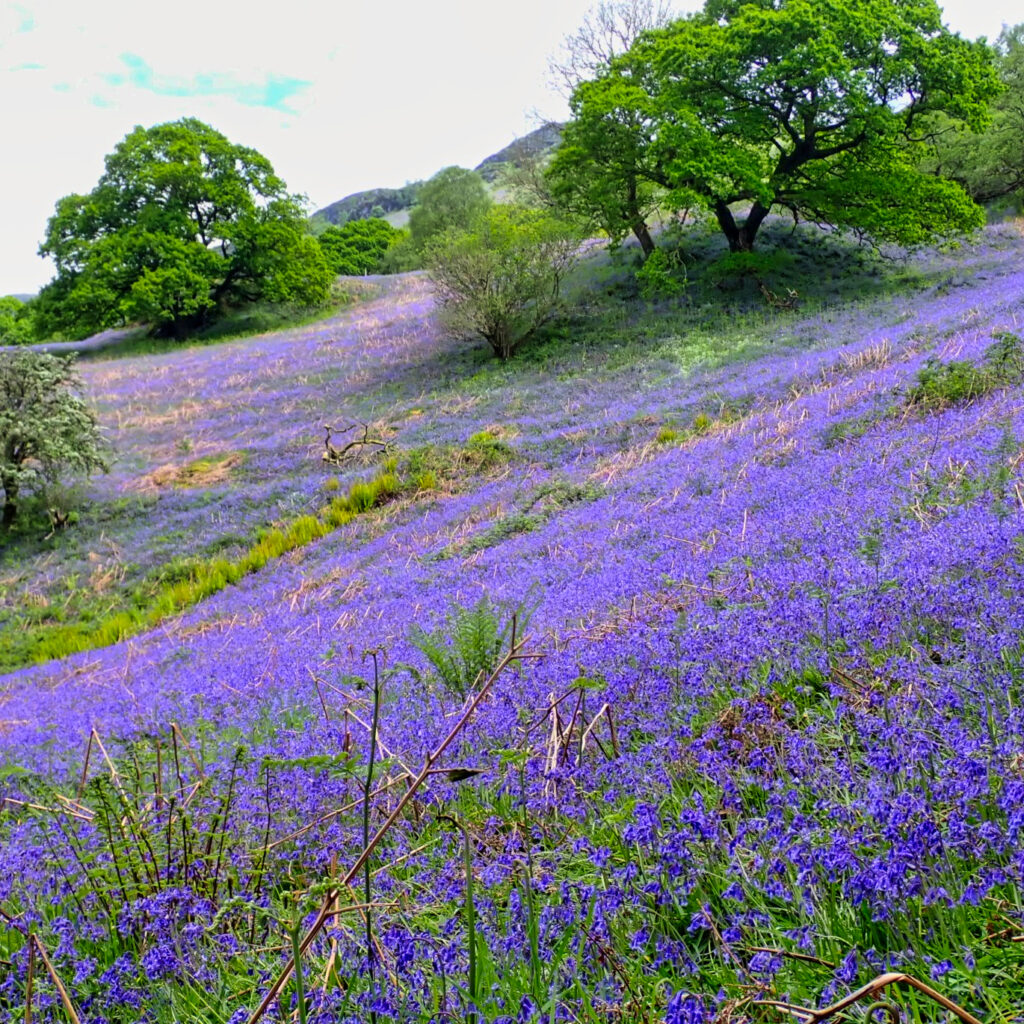
The journey begins just outside Glasgow in the village of Milngavie. The first stage passes through farmland and woodland as the landscape gradually opens toward Loch Lomond and the first views of the Highlands.
Loch Lomond
The route hugs the eastern shore of the loch, sometimes along gentle forest paths and sometimes across rougher ground where the trail squeezes between water and hillside. These days provide an introduction to the rhythm of multi-day travel.
Rannoch Moor
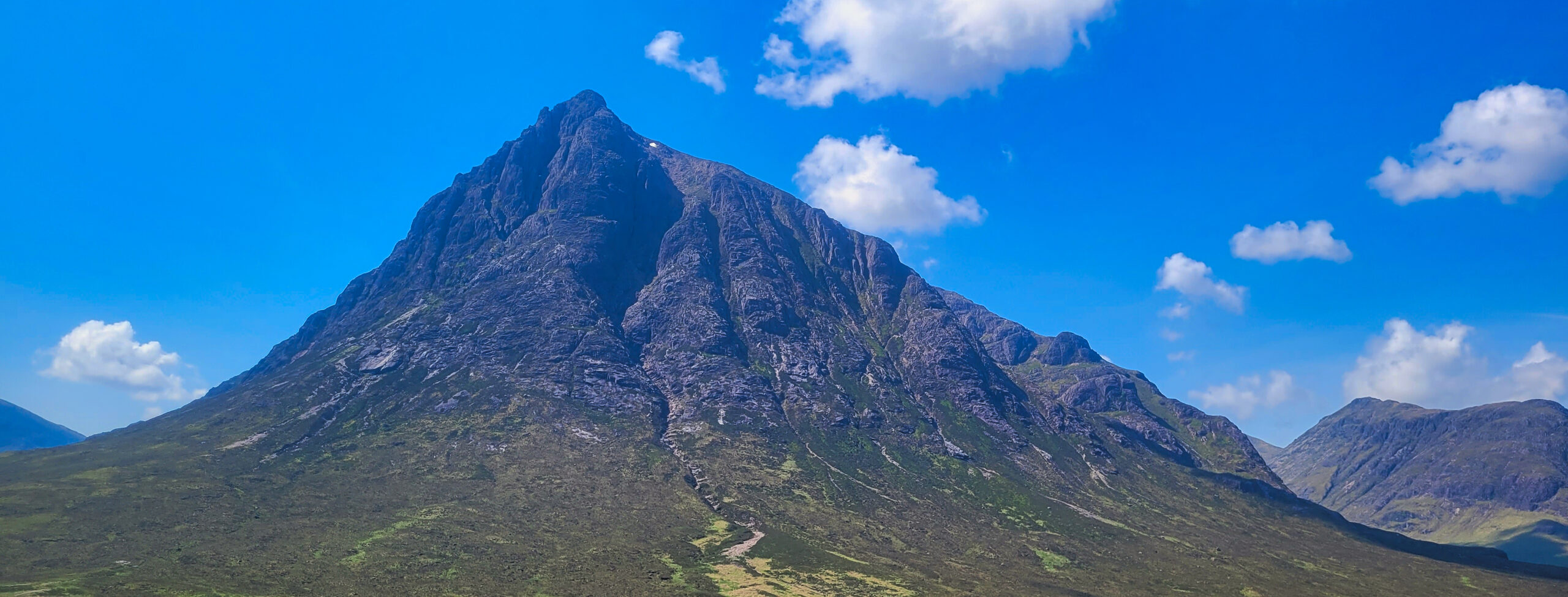
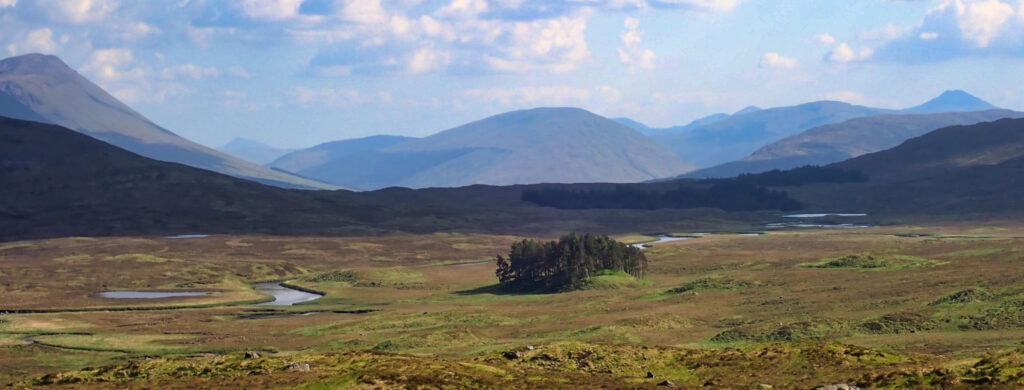
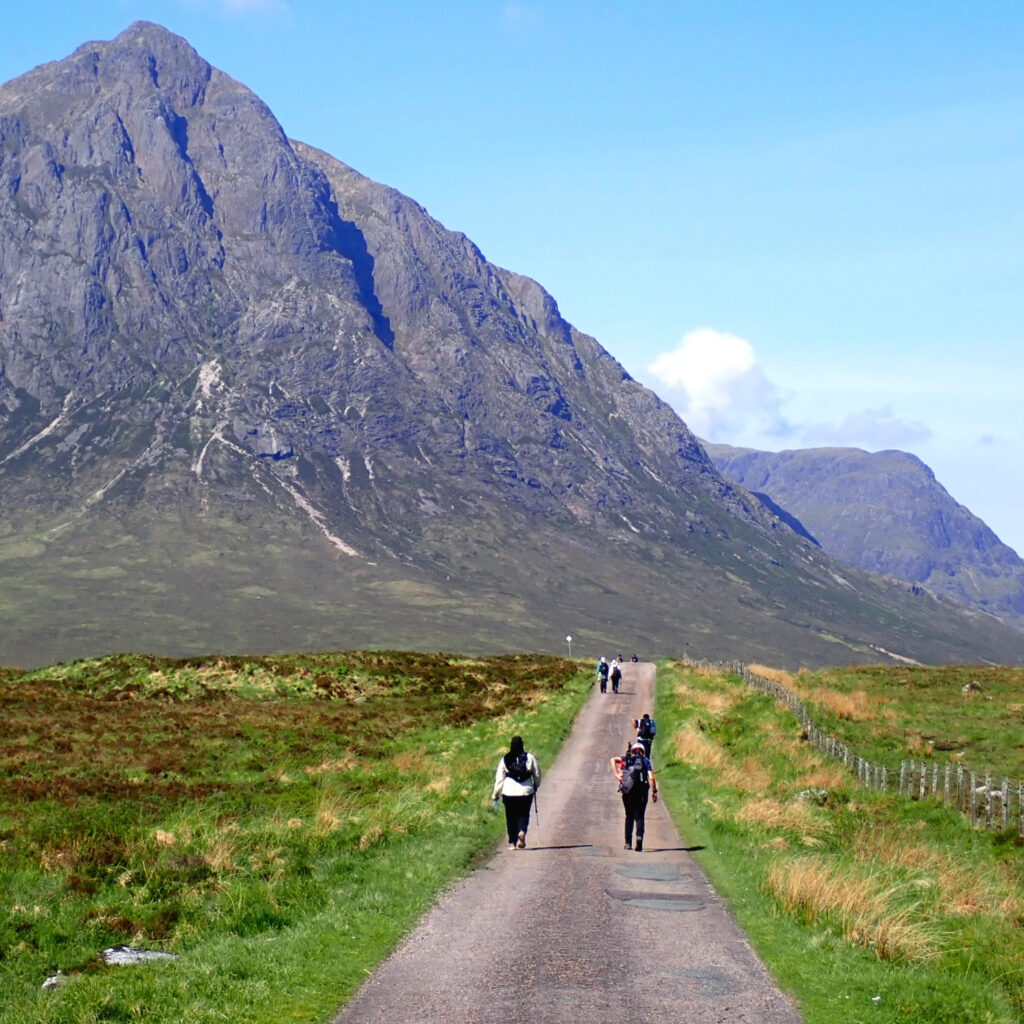
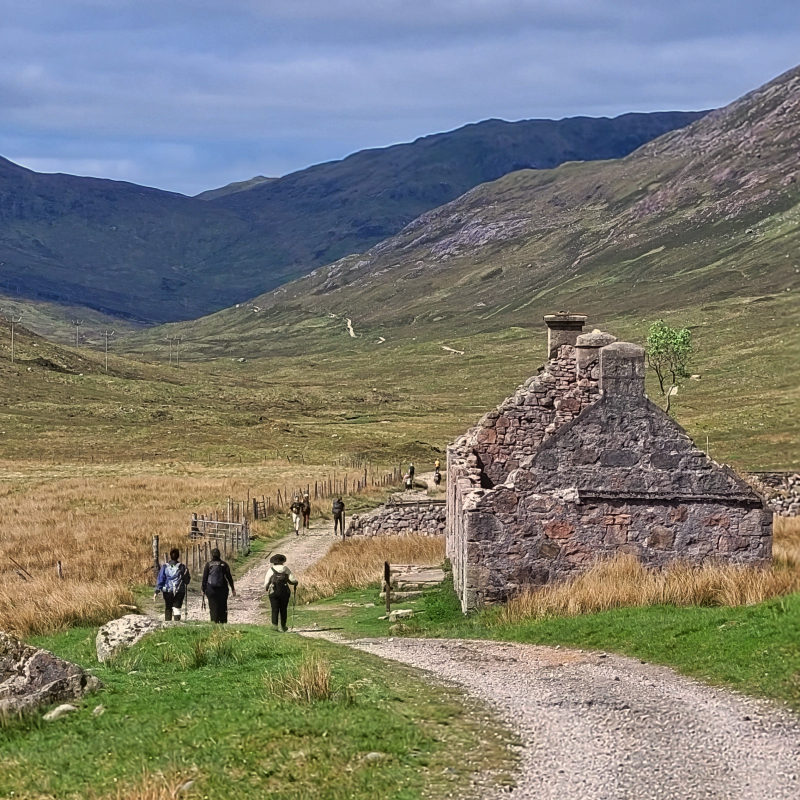
Beyond the historic inn at Inveroran the landscape changes dramatically. Vast open moorland stretches toward the horizon beneath the distant peaks of Glencoe. This is one of the wildest and most atmospheric sections of the entire route.
The Devil’s Staircase
The route climbs gradually toward the high pass of the Devil’s Staircase, offering wide views back across the moor and forward toward the great mountains of the Mamores.
Glen Nevis and Fort William
The final stage descends into Glen Nevis before reaching Fort William beneath the north face of Ben Nevis. Here the journey ends at the foot of Britain’s highest mountain.
The coldSTONE Experience
Learning Through the Journey
This expedition is designed to introduce the practical skills and mindset required for multi-day walking journeys. As we travel we explore the decisions that shape successful long-distance travel:
• planning and pacing multi-day routes
• navigation in varied terrain
• equipment selection and pack organisation
• food strategy and resupply
• managing fatigue and morale over consecutive days
The learning happens naturally as part of the journey rather than in a classroom.
Camping and Resupply
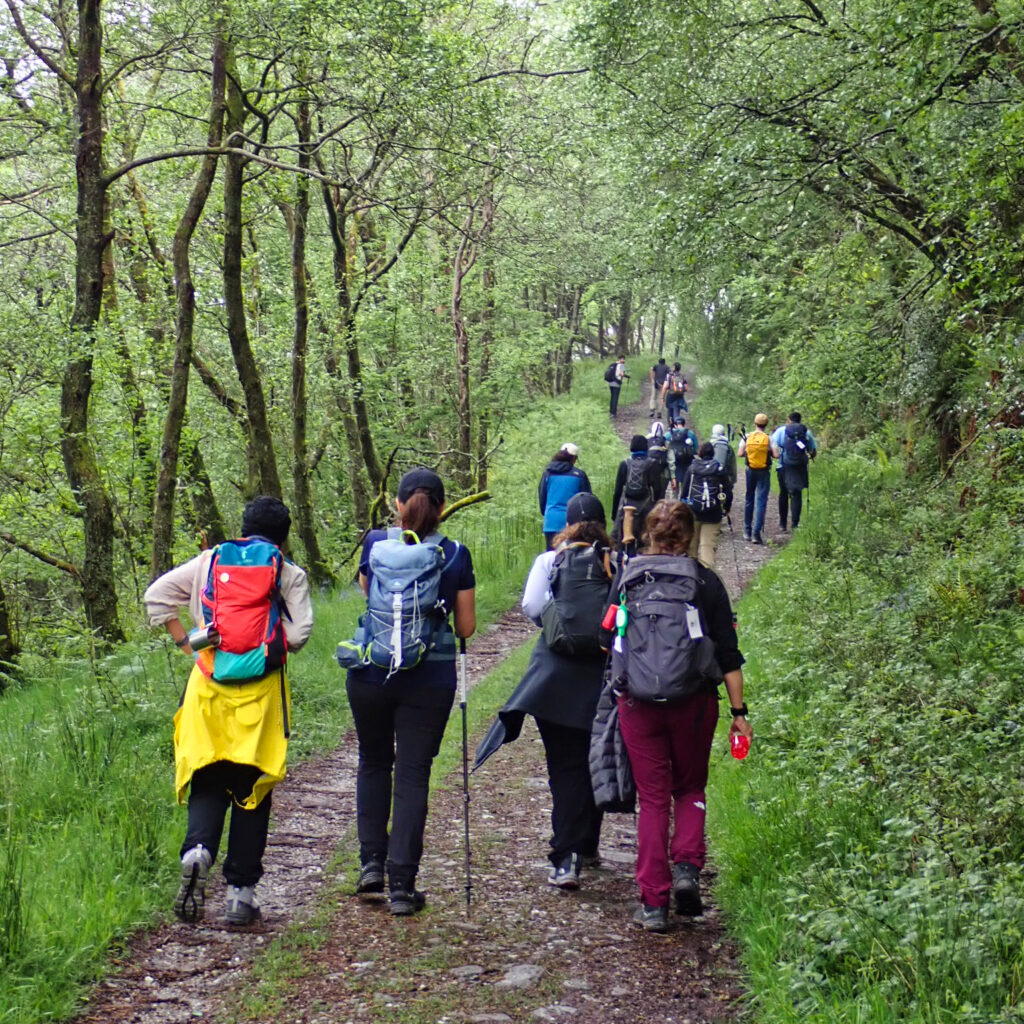
We travel in the same way many long-distance walkers do: camping where appropriate, resupplying in villages along the route and taking advantage of inns and cafés where they appear. Understanding this rhythm of movement, rest and resupply is central to completing journeys of this type.
Mentored Leadership
As Mountain Leaders we provide oversight and support throughout the expedition while encouraging participants to take an active role in navigation, planning and decision-making.
The aim is not simply to reach the end of the route, but to understand how journeys like this can be undertaken independently.
The coldSTONE ethos
Long-distance walking is not about racing between checkpoints. It is about steady movement, quiet competence and learning how to live comfortably within the landscape for several days at a time.
Logistics
We take care of the structure of the journey so you can focus on learning and travelling well.
The expedition includes:
- route planning and leadership
- mentored navigation and expedition skills
- guidance on equipment and packing
- support in managing daily route planning
Campsite fees will be covered where applicable. Opportunities to eat in inns and cafés occur at several points along the route.
What You Arrange
- Travel to and from the start and finish
- Personal camping equipment
- Personal clothing and walking gear
- Food and personal expenses during the journey
A detailed equipment list and preparation guidance will be provided before departure.
Practical Details
A classic Highland journey travelled steadily from south to north, learning how long-distance mountain travel really works.